Web Author
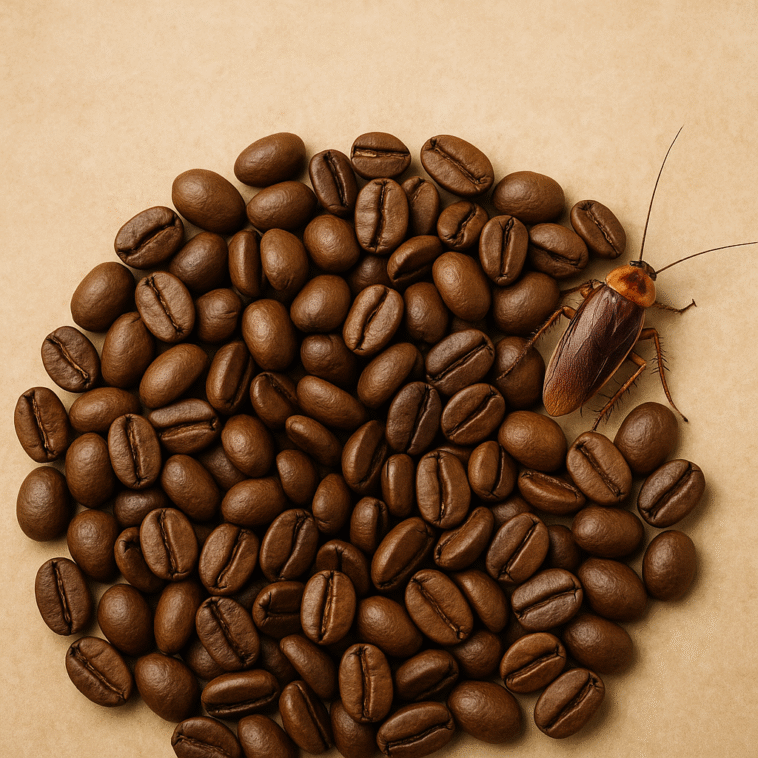
Cockroach for breakfast ?
The Truth About Insects in Your Coffee – How Much Is Really There & How to Avoid Them
Coffee is one of the world’s most beloved beverages, but few people realize that insect fragments—including cockroach parts—are legally allowed in it. This may sound alarming, but it’s a reality of mass food production.
This article covers:
✅ How much insect contamination is legally permitted in coffee?
✅ Which coffee brands have the most (and least) insect content?
✅ Proven ways to avoid bugs in your coffee
✅ Best insect-free coffee alternatives
🔬 How Much Insect Contamination Is Allowed in Coffee?
1. FDA Defect Action Levels (DALs) for Coffee
The U.S. Food and Drug Administration (FDA) sets limits on “natural and unavoidable defects” in food, including coffee.
-
Ground Coffee:
-
Up to 10% of beans can be insect-damaged.
-
Average of 10+ insect fragments (e.g., cockroach legs, wings) per gram is acceptable.
-
1-2% rodent hairs per pound may also be present.
-
-
Whole Bean Coffee:
-
Fewer insect fragments (since processing increases contamination).
-
Visible insect damage can lead to rejection before grinding.
-
2. Why Is This Permitted?
-
Coffee grows in tropical climates where insects thrive.
-
Roasting kills bacteria, making fragments harmless.
-
Impossible to eliminate 100% without extreme (and costly) measures.
☕ Which Coffee Brands Have the Most (and Least) Insect Contamination?
🔴 Higher Risk of Insect Contamination (Mass-Produced, Low-Grade Coffee)
-
Folgers, Maxwell House, Nescafé
-
Made from cheaper Robusta beans, which are more prone to pests.
-
High-volume processing increases contamination risk.
-
-
Store Brands (Great Value, Kirkland, etc.)
-
Often use lower-grade beans with less quality control.
-
🟢 Lower Risk (Premium, Specialty, and Organic Brands)
-
Lavazza, Illy, Blue Bottle
-
Use Arabica beans, which are less susceptible to bugs.
-
More rigorous sorting and cleaning processes.
-
-
Bulletproof Coffee
-
Lab-tested for mycotoxins and contaminants.
-
Claims to have lower insect content than industry standards.
-
-
Death Wish Coffee
-
FDA-compliant but uses high-quality sourcing.
-
🚫 How to Avoid Insects in Your Coffee
1. Buy Whole Bean Coffee (Not Pre-Ground)
-
Fewer insect fragments (grinding increases contamination).
-
Fresher and less processed.
2. Choose Certified Organic or Specialty Coffee
-
Organic coffee is less likely to have pesticide-related insect infestations.
-
Specialty-grade coffee (80+ points) undergoes stricter quality checks.
3. Look for “Washed Process” Coffee
-
Wet-processed beans remove more debris than dry processing.
4. Store Coffee Properly
-
Airtight containers prevent new bugs from getting in.
-
Freeze coffee beans to kill any potential eggs.
5. Opt for “Low-Acid” or Mycotoxin-Tested Coffee
-
Brands like Purity Coffee and Bulletproof test for contaminants.
🌿 Best Insect-Free Coffee Alternatives
If you’re still grossed out, try these:
-
Mushroom Coffee (Four Sigmatic, Ryze) – Made from medicinal mushrooms.
-
Chicory Root Coffee – Tastes similar, naturally bug-free.
-
Dandelion Root Coffee – A caffeine-free substitute.
💡 Final Verdict: Should You Worry?
-
The FDA says it’s safe – insect fragments are roasted and sterile.
-
Premium brands have fewer bugs – you get what you pay for.
-
If you’re sensitive, switch to whole bean or lab-tested coffee.