Web Author
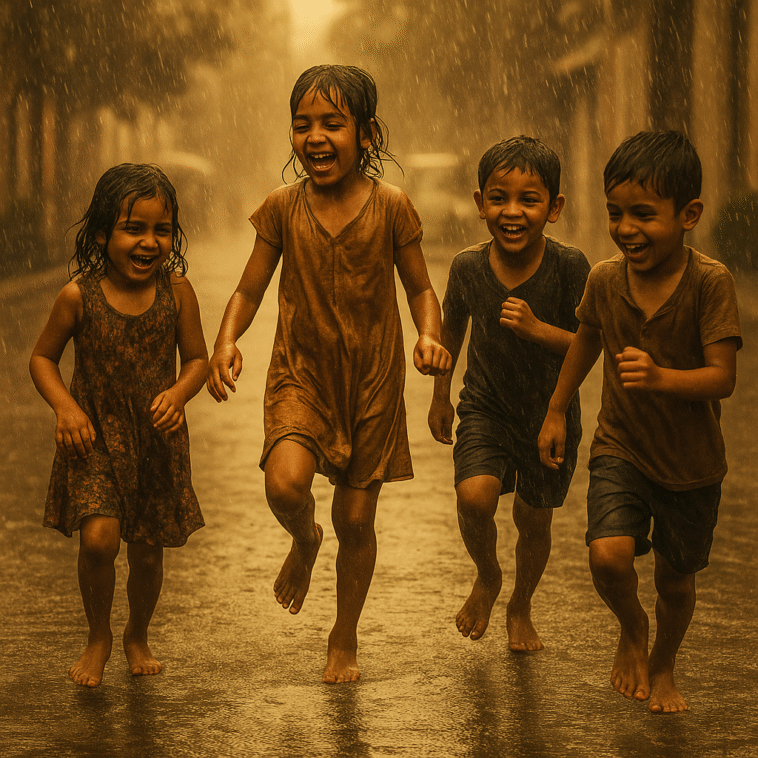
Barsaat (Rain) in the Indian Subcontinent: Cultural, Agricultural, and Emotional Significance
Rain (Barsaat) holds deep cultural, economic, and emotional importance in the Indian subcontinent (India, Pakistan, Bangladesh, Nepal, and Sri Lanka). It influences agriculture, literature, music, cinema, and daily life. Below is an exploration of its impact across different domains.
1. Agricultural & Economic Importance
-
Monsoon Dependency:
-
The subcontinent relies on the Southwest Monsoon (June–September) for 70-90% of its annual rainfall.
-
Major crops like rice, sugarcane, and cotton depend on timely rains.
-
Droughts lead to crop failures, farmer suicides, and inflation.
-
-
Historical Famines:
-
Bengal Famine (1943) – Poor rainfall + British policies caused 3 million deaths.
-
Droughts in Rajasthan & Sindh – Chronic water scarcity shapes desert cultures.
-
2. Cultural & Religious Significance
A. Hinduism & Monsoon Festivals
-
Teej (North India, Nepal): Women celebrate rain, fertility, and marital bliss.
-
Adiperukku (Tamil Nadu): River-worship festival marking monsoon arrival.
-
Jhulan Yatra (Bengal): Swing festival for Radha-Krishna during rains.
B. Sufi & Folk Traditions
-
Sindhi & Punjabi folklore: Songs like “Barsat mein hum se mile tum sajan” romanticize rain.
-
Baul & Fakiri traditions (Bengal/Bangladesh): Rain symbolizes divine love.
C. Islamic & Persian Influences
-
Urdu poetry:
-
Ghalib: “Barsaat mein jab aag lage, to kya karoon?” (Irony of suffering in rain).
-
Faiz Ahmed Faiz: “Barsaat ki raat” – Rain as a metaphor for revolution.
-
3. Barsaat in Cinema & Music
A. Bollywood’s Love for Rain
-
Classic Rain Songs:
-
“Pyar Hua Ikrar Hua” (Shree 420, 1955) – Raj Kapoor’s iconic umbrella scene.
-
“Tip Tip Barsa Paani” (Mohra, 1994) – Sensual rain dance trendsetter.
-
“Barsaat Lehrayi” (Jab We Met, 2007) – Modern romantic rain sequence.
-
-
Films Named Barsaat:
-
Barsaat (1949) – Raj Kapoor’s tragic romance.
-
Barsaat (2005) – Bobby Deol’s action drama.
-
B. Regional Cinema
-
Bengali: “Monsoon Wedding” (2001) – Rituparno Ghosh’s films often use rain metaphors.
-
Malayalam: “Barsaat” (2013) – A romantic thriller.
-
Pakistani: “Barsaat ki Raat” (1960) – Classic Urdu poetic film.
4. Emotional & Literary Symbolism
-
Romance & Longing:
-
Rain is tied to viraha (separation) in poetry.
-
Example: “Barsaat ki ek raat, tanhai mein teri yaad aayi” (A rainy night, your memory in solitude).
-
-
Melancholy & Renewal:
-
Rabindranath Tagore’s “Barsha Mangal” – Monsoon as a time of emotional cleansing.
-
Jaun Elia’s Urdu couplets – Rain as tears of the sky.
-
5. Urban Life & Challenges
-
Floods & Infrastructure Failures:
-
Mumbai (2005, 2017), Chennai (2015), Dhaka (2020) – Heavy rains cause deadly floods.
-
Poor drainage + illegal construction worsen disasters.
-
-
Rainwater Harvesting Revival:
-
Ancient stepwells (baolis) in Rajasthan.
-
Modern initiatives in Bangalore, Delhi, and Lahore.
-
6. Climate Change & Changing Monsoon Patterns
-
Erratic Rains:
-
Longer dry spells + intense downpours (e.g., 2022 Pakistan floods).
-
Himalayan glaciers melting → Unpredictable river flows.
-
-
Future Risks:
-
FAO warnings: South Asia’s food security at risk.
-
Urban migration: Farmers abandoning rain-fed agriculture.
-
Conclusion: Barsaat as Life, Love, and Struggle
From ancient harvest songs to Bollywood dance numbers, from devastating floods to poetic romance, rain in the subcontinent is more than weather—it’s a cultural heartbeat. Yet, climate change threatens this delicate balance, making water conservation crucial.