Web Author
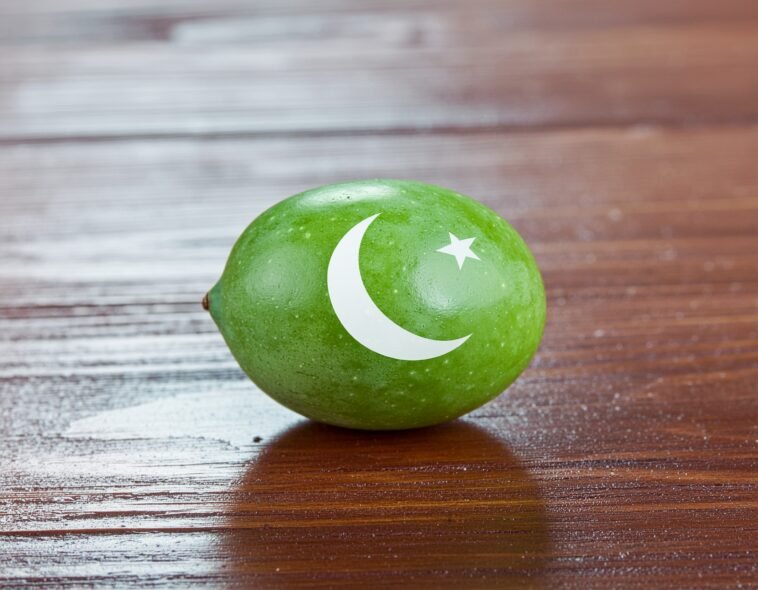
The Rise of Olive Farming in Pakistan: A “Green Gold” Revolution
Pakistan is not traditionally known for olives, but that is changing fast. Driven by government initiative and private enterprise, olive farming is becoming a viable and profitable venture, especially in Punjab and KP.
1. Ideal Growing Regions (The “Olive Belts”)
Olives thrive in specific climatic conditions: a hot, dry summer and a cool winter (with 200-300 hours of temperature below 7°C for flowering). Key regions include:
Pothwar Region (Punjab): The epicenter. Includes districts like Attock, Rawalpindi, Chakwal, and Jhelum. The climate and rainfall patterns are nearly perfect.
Khyber Pakhtunkhwa (KP): Districts like Swat, Mardan, Mansehra, and Kohat.
Balochistan: Certain areas in Zhob, Loralai, and Pishin.
Islamabad Capital Territory: Margalla Hills and surrounding areas.
2. Major Initiatives & Key Players
The growth is largely due to strategic projects:
Punjab Olive Cultivation Project: A flagship project by the Government of Punjab and the Italian government. They have provided millions of free olive saplings to farmers, established model farms, and set up processing units.
Barani Agricultural Research Institute (BARI), Chakwal: The leading research center providing technical know-how, certified plants, and training to farmers.
Private Sector: Companies like Sahawi Olive Farms and Olive Groves Pakistan are leading large-scale commercial cultivation and producing high-quality extra virgin olive oil.
3. Suitable Olive Varieties
Not all olive varieties work. The most successful ones in Pakistan are:
Arbequina: (From Spain) Early fruiting, high oil yield, and tolerates cold well.
Frantoio: (From Italy) Excellent oil quality, widely grown in Pothwar.
Coratina: (From Italy) High oil yield and robust.
Local Variety (Unknown): A wild, pre-existing variety found in the Pothwar region, showing great promise.
4. The Economic & Agricultural Benefits
Utilization of Barani Lands: Olives are perfectly suited for rain-fed (barani) areas where water is scarce, turning unproductive land into valuable asset.
High Value Crop: Olive oil is a high-value commodity. Local production reduces the $300+ millionspent on importing edible oils annually.
Drought Resistance: Once established, olive trees are highly drought-tolerant, making them ideal for Pakistan’s water-stressed environment.
Multi-Product Use: Olives can be processed for:
Extra Virgin Olive Oil (Highest grade)
Olive Oil
Table Olives (Pickled)
Cosmetics (Soaps, lotions)
Animal feed from by-products
5. Challenges for Farmers
Long Gestation Period: Trees take 3-4 years to start bearing fruit and 7-8 years to reach full production. This requires patience and initial investment.
Processing Facilities: Access to modern oil extraction mills (crushing units) is still limited, though growing.
Knowledge Gap: Many farmers are new to olive-specific pruning, pest management, and harvesting techniques.
Market Competition: Building a brand to compete with established imported Italian/Spanish oils is a challenge.
6. How to Start Olive Farming in Pakistan
Land Assessment: Ensure your soil is well-drained and slightly alkaline. The climate must have a cool winter.
Source Certified Plants: Get certified, disease-free saplings from BARI Chakwal or other government-approved nurseries. Do not use uncertified plants.
Planting: The ideal time is February-March. Spacing is typically 6m x 6m or 7m x 7m.
Irrigation: While drought-tolerant, young plants need regular watering for the first two years. Drip irrigation is highly recommended.
Training: Contact BARI or the Punjab Agriculture Department for training on pruning, fertilization, and harvesting.
7. The Future is Bright
Pakistan currently produces only a fraction of its domestic demand, meaning the market potential is enormous. With continued government support and private investment, Pakistan has the potential to become a significant player in the global olive market.