Web Author
Sugar Coated:
How We Ingest Extreme Amounts of Sugar Through Commercial Foods and Drinks
— and the Shocking Teaspoon Count in Everyday Items
🍭 Introduction: Sugar Is Everywhere
Sugar is no longer just a sweetener—it’s a silent intruder embedded in nearly every aisle of the modern supermarket. From seemingly healthy yogurt to savory sauces and energy drinks, sugar hides in plain sight, often under misleading names. While a spoon of sugar in tea may feel innocent, commercial foods and beverages can deliver 10 to 20 times that amount without your knowledge.
🧠 Why Excess Sugar is a Problem
Excessive sugar consumption is linked to:
-
Obesity and type 2 diabetes
-
Heart disease
-
Liver damage
-
Mood disorders and addiction-like behavior
The World Health Organization recommends no more than 6 teaspoons (25g) of added sugar per day for adults. But most people easily surpass this—often by breakfast.
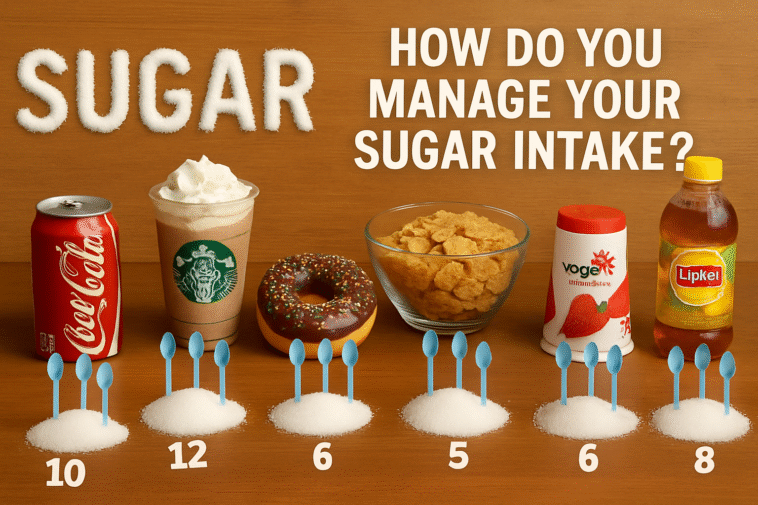
🥤 Sugar Shock: Teaspoons in Popular Foods & Drinks
| Item | Approximate Sugar Content | Teaspoons of Sugar |
|---|---|---|
| Can of Coca-Cola (330ml) | 39g | ~10 tsp |
| Starbucks Frappuccino (Grande) | 50g | ~12.5 tsp |
| Breakfast cereal (1 serving) | 20g | ~5 tsp |
| Flavored yogurt (1 cup) | 23g | ~6 tsp |
| Protein bar | 18g | ~4.5 tsp |
| Tomato ketchup (2 tbsp) | 8g | ~2 tsp |
| Packaged granola (1 serving) | 16g | ~4 tsp |
| Fruit juice (1 glass) | 30g | ~7.5 tsp |
| Sweetened iced tea (bottle) | 32g | ~8 tsp |
These numbers don’t include the sugar you may add to tea, coffee, or cereal. Nor do they reflect how sugar accumulates over the course of a day.
🕵️♂️ Hidden Sugar Names to Watch Out For
Sugar isn’t always listed as “sugar.” Look for these on labels:
-
High-fructose corn syrup
-
Dextrose, maltose, glucose
-
Cane juice or evaporated cane syrup
-
Fruit juice concentrate
-
Agave nectar, molasses, honey
Even savory items like salad dressings, bread, and pasta sauces can carry several grams of added sugar.
🧪 Why Companies Add Sugar
-
Flavor enhancement
-
Increased shelf life
-
Consumer addiction (sweet sells)
-
Masking poor quality or lack of natural taste
⚖️ The Body’s Response to Sugar Overload
-
Triggers insulin spikes, then crashes
-
Excess stored as fat, especially visceral fat
-
May damage liver like alcohol does
-
Linked to chronic inflammation
Your brain reacts to sugar like it does to cocaine—dopamine spikes lead to cravings and cycles of dependence.
✅ How to Cut Back Without Feeling Deprived
-
Read labels carefully
-
Avoid sugary drinks—go for water, infused water, or tea
-
Choose whole fruit over juices
-
Look for “unsweetened” or “no added sugar” products
-
Cook at home more often
-
Don’t trust “low-fat” claims—they usually mean higher sugar
🌍 A Global Crisis
In countries like the U.S., U.K., India, and Pakistan, sugar consumption has skyrocketed—contributing to public health crises. Soft drink and fast-food giants target youth, particularly in low-income and developing nations, where regulatory frameworks are weaker.
📉 A Teaspoon Revolution: Awareness is Key
Imagine putting 12 teaspoons of sugar into your coffee. Sounds absurd. Yet many drink that amount without blinking when they grab a bottle of juice or a “health” bar.
Understanding what goes into your food is the first step in reclaiming your health. Sugar isn’t just about sweet cravings—it’s a matter of long-term wellness and self-defense against deceptive marketing.