Team Neemopani
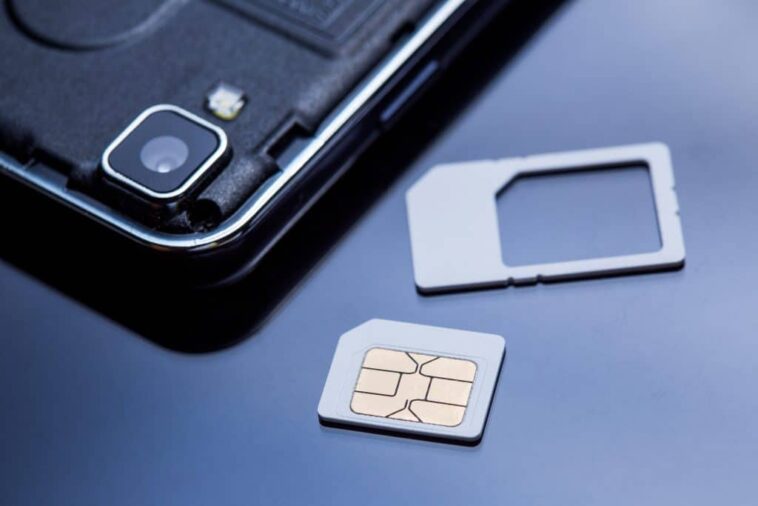
Pakistan has one of the largest mobile subscriber bases in South Asia, with hundreds of millions of active SIM connections across the country’s telecom networks. Understanding your SIM registration status is no longer optional, and here is why it matters for every mobile user in the country.
As mobile usage keeps climbing, so does the risk of SIM-related fraud, harassment, and identity misuse. This piece, drawing on reporting by TechBullion, breaks down how Pakistan’s SIM verification system works and what you can do right now to protect yourself.
Quick Facts
- Pakistan has hundreds of millions of active SIM connections across its telecom networks.
- SIM registration in Pakistan is linked directly to a user’s CNIC (Computerized National Identity Card).
- Unregistered or improperly registered SIMs are a known vehicle for fraud, harassment, and identity misuse.
- Users can check how many SIMs are registered against their CNIC through official channels.
- Second-hand phone and online marketplace deals carry specific SIM-related security risks that users often overlook.
What Actually Happened With Pakistan SIM Registration
Pakistan’s telecom regulator requires every prepaid SIM card to be registered against a valid CNIC. This CNIC-linked system was introduced to create accountability across the country’s massive mobile network and to reduce anonymous misuse of SIM connections.
The registration of prepaid SIM cards is not a new policy, but awareness around it remains uneven. Many users still do not know how many SIMs are registered in their name, and that gap in knowledge is exactly what bad actors exploit. If someone has used your CNIC details to register a SIM without your knowledge, you could be held accountable for activity you had nothing to do with.
The system also has direct relevance to online marketplace and second-hand phone deals. When you buy a used phone, a SIM registered to the previous owner may still be active inside it, or your own number may be linked to a device you no longer control. These are not edge cases. They are everyday risks for millions of Pakistani users.
The Real Security Picture
Even with a regulated registration system in place, SIM security gaps are real. Fraudsters have found ways to misuse CNIC data, register SIMs under other people’s identities, and use those numbers for harassment, scams, and worse. Regulation sets the rules, but it does not automatically protect you if you are not paying attention to your own account.
Suspicious numbers tied to harassment are another major issue. Pakistan’s telecom infrastructure does offer tools to report and block such numbers, but users need to know those tools exist in the first place. If you are getting calls from numbers you do not recognise, that is worth investigating rather than ignoring.
If you are navigating a tough month and the last thing you want is SIM fraud draining your credit or your peace of mind, it helps to remember that staying resourceful under pressure is always the smarter move. Small, consistent habits add up to real protection.
What Happens Next
Digital literacy around SIM registration is becoming a baseline survival skill in Pakistan. As the country’s mobile economy grows, the stakes for getting this wrong only go up.
For individual users, the next step is straightforward: check how many SIMs are registered in your name through official channels. If anything looks off, follow the official reporting process. Do not wait until fraud has already happened.
The broader picture is that Pakistan’s SIM ecosystem, while large and growing, is only as safe as its least-informed user. Every person who verifies their registration status makes the whole network a little harder to exploit.
Frequently Asked Questions
What is CNIC-linked SIM registration in Pakistan?
CNIC-linked SIM registration means every SIM card in Pakistan must be verified against the holder’s Computerized National Identity Card. This system creates a direct link between a mobile number and a real, identifiable person. It is designed to reduce anonymous misuse of SIM connections across the telecom network.
How can I check how many SIMs are registered against my CNIC in Pakistan?
Pakistan’s official telecom channels provide a way for users to check how many SIMs are registered in their name. If you find numbers you do not recognise, you should report them immediately through the official process.
What are the risks of ignoring SIM registration in Pakistan?
Ignoring your SIM registration status can leave you exposed to fraud, identity misuse, and harassment carried out under your CNIC. Someone could register a SIM using your details without your knowledge, and any illegal activity on that number could be traced back to you. Staying informed is the most direct way to avoid that risk.
What should I do if I receive harassment from a suspicious number in Pakistan?
Pakistan’s telecom infrastructure includes official tools to report and block suspicious or harassing numbers. If you are receiving unwanted or threatening calls, document them and report the number through the appropriate official channel. Do not ignore persistent contact from unknown numbers, as early reporting makes resolution much faster. It is also worth remembering that handling a difficult situation head-on is always better than letting it spiral.
What are the SIM-related risks when buying a second-hand phone in Pakistan?
When you purchase a used phone in Pakistan, a SIM registered to the previous owner may still be active or linked to that device. This creates a security gap that both buyer and seller often overlook. Always verify the SIM status of any second-hand device before using it and ensure previous registrations are properly cleared.
Why does the registration of prepaid SIM cards matter for everyday users in Pakistan?
The registration of prepaid SIM cards directly links a mobile number to a verified identity, which means any misuse of that number can be traced. If your CNIC has been used without your knowledge to register a SIM, you could face consequences for activity you did not carry out. Checking your registration status regularly is a simple way to stay ahead of that risk.
How does SIM fraud typically happen in Pakistan?
Fraudsters misuse CNIC data to register SIMs under other people’s identities without their knowledge. Those numbers are then used for harassment, scams, and other illegal activity. The best defence is to monitor how many SIMs are registered in your name and report any unfamiliar connections immediately.
Final Thoughts
Pakistan’s SIM registration system exists to protect you, but only if you engage with it. Check your registered SIMs, report anything suspicious, and be careful with second-hand devices. Mobile security is not just a tech issue. It is a daily life issue for millions of people across the country, and the first step is simply knowing where you stand. Much like sorting out unresolved matters sooner rather than later, getting on top of your SIM registration before something goes wrong is always the smarter call.
Related: Wasim Akram Drama Debut: Sultan of Swing Set for TV With Mahnoor Baloch | OnePlus 16 Launches in China With a Monster Battery | Pakistan Marks Nusrat Fateh Ali Khan’s 78th Birthday
Source: techbullion.com
For more trending stories, visit NeemoPani.