Team Neemopani
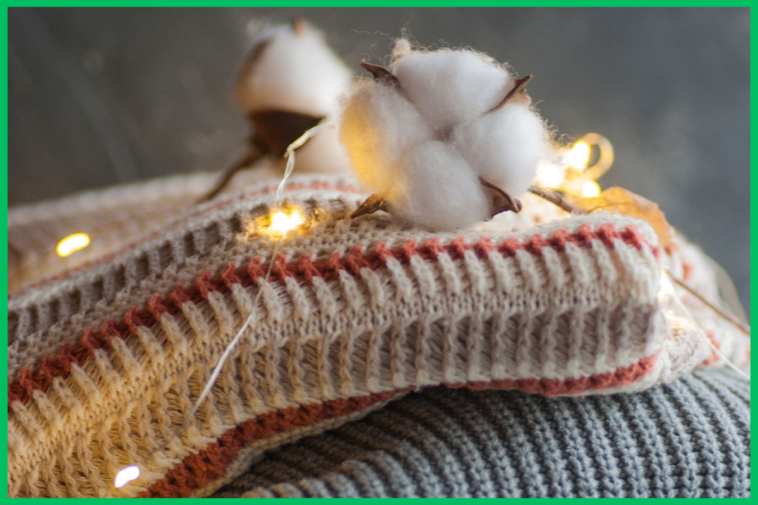
The h m gucci fashion show circuit is not the only place these brands are making headlines. Behind the runways, H&M Group and Gucci are part of a growing industry push to reform how cotton and wool are farmed, bringing regenerative agriculture into fashion’s supply chain.
Reported by fashiontimes.co.uk, this story goes far beyond aesthetics. It is about soil, water, biodiversity, and the 100 million farming families whose livelihoods depend on the crops that eventually become your favourite outfit.
Quick Facts
- The Better Cotton Initiative (BCI) adopted regenerative farming standards on 13 October after updating its rules in April 2026.
- BCI covers more than 20% of the world’s cotton production, making this update a major industry shift.
- H&M Group partnered with BCI in 2025 on a project in Gujarat, India, targeting 12,000 local farmers.
- In the first year of that project, 1,764 farmers received bonus payments.
- H&M’s supply chain used 1,700 metric tonnes of traceable BCI cotton fibre.
What Actually Happened With Fashion’s Farming Shift
For a long time, fashion’s sustainability conversation stopped at the factory gates. Now it is reaching all the way back to the fields. Brands including Gucci, H&M Group, Primark, and Patagonia are expanding projects that directly connect farming practices to how clothes are sourced.
The centrepiece of this shift is the Better Cotton Initiative. BCI updated its farming rules in April 2026 and formally adopted regenerative standards on 13 October. Because BCI accounts for more than 20% of global cotton production, this is not a small pilot programme. It affects millions of farmers and thousands of brands that rely on BCI-certified supply chains.
To back up this transition, BCI acquired the Co team and technology from Materra, a farming technology provider. The system simplifies field data collection and cuts down administrative work for farmers and supply chain partners, making it easier to verify what is actually happening on the ground.
H&M Group’s effort in Gujarat, India is one of the most concrete examples. Launched in 2025, the project aims to train and support 12,000 local cotton farmers in regenerative methods. In just its first year, 1,764 of those farmers received bonus payments, and the group’s supply chain incorporated 1,700 metric tonnes of traceable BCI cotton fibre.
Why It Matters
Traditional farming can degrade soil over time, reduce biodiversity, and waste water. These are not abstract environmental concerns. They directly threaten the land that produces the raw materials fashion depends on. If the soil goes, so does the cotton.
Regenerative agriculture tackles this by focusing on improving soil health, protecting natural areas, and increasing a farm’s capacity to retain water and capture carbon. BCI’s updated standard now prioritises locally adapted farming methods, which means solutions are tailored to the specific conditions farmers already work within.
Only 29% of the world’s cotton is currently produced sustainably, and approximately 80% of all cotton ends up in apparel. That gap between what is grown and what is grown responsibly is exactly what these initiatives are trying to close. For younger consumers paying closer attention to where their clothes come from, this signals something bigger than a seasonal trend.
There is also a transparency angle. BCI’s goal is to give brands greater supply chain visibility, so when a label says its cotton is responsibly sourced, there is actual data behind that claim rather than a marketing promise. Women-led voices in agriculture and fashion sourcing connect to broader conversations about economic empowerment, much like the stories covered in Sinf e Ahan Women of Steel.
What Happens Next
BCI’s new regenerative standards are now in place, and the organisation’s reach across 20% of global cotton production means adoption could scale quickly. The Materra technology acquisition suggests BCI is investing in making the data side of this work more efficient for farmers who are already stretched thin.
H&M Group’s Gujarat project is still growing, with an eventual target of 12,000 farmers. How many of them receive support and bonus payments in the coming years will be an important measure of whether the model actually works at scale. Other brands like Primark and Patagonia are also expanding similar projects, so this is becoming an industry-wide direction rather than one company’s initiative.
For Pakistan, where cotton farming is a significant part of the agricultural economy, international sourcing standards set by organisations like BCI could eventually influence how local farmers are trained and compensated. As brands demand more traceable and regeneratively farmed cotton, agricultural practices and incentive structures may need to align with these new benchmarks.
About Fashion’s Bigger Picture
Fashion is one of the most resource-intensive industries in the world, and its raw material sourcing is a major part of that footprint. Cotton alone supports 100 million families worldwide, connecting farms to finished garments across dozens of countries. The industry’s push toward regenerative sourcing is part of a broader reckoning with how global supply chains affect the environment and the people within them. As a cultural touchpoint, fashion brands like Gucci carry influence that extends well beyond the runway and into the farming communities that make it all possible.
Frequently Asked Questions
What is regenerative agriculture in the context of fashion?
Regenerative agriculture refers to farming practices that restore soil health, protect biodiversity, and improve water retention rather than depleting natural resources. In fashion, brands like H&M and Gucci are adopting it to make their cotton and wool sourcing more sustainable over the long term.
What did the Better Cotton Initiative change in April 2026?
BCI updated its farming rules in April 2026 to align with regenerative agriculture standards, formally adopting them on 13 October. The updated standard prioritises locally adapted methods and continuous improvement in both environmental and social outcomes.
How big is BCI’s impact on global cotton supply?
BCI covers more than 20% of the world’s cotton production, which makes its standards update a significant event for the global fashion industry. Brands that source through BCI-certified supply chains are directly affected by this change.
What is H&M Group doing in Gujarat, India?
H&M Group launched a regenerative agriculture project in Gujarat in 2025 in partnership with BCI, targeting 12,000 local farmers for training and support. In its first year, 1,764 farmers received bonus payments and the project achieved 1,700 metric tonnes of traceable BCI cotton fibre in H&M’s supply chain.
Why is only 29% of cotton produced sustainably?
The research notes highlight that despite cotton supporting 100 million families worldwide, only 29% is currently produced sustainably. Scaling up regenerative and traceable farming methods, as BCI and partnering brands are attempting, is seen as a key part of closing that gap.
What role did Materra play in BCI’s regenerative push?
BCI acquired the Co team and technology from Materra, a farming technology provider, to support its transition to regenerative standards. The Materra system streamlines field data collection and reduces administrative burdens for farmers and supply chain partners.
How could this affect Pakistan’s cotton farming sector?
Pakistan is a major cotton-producing country, and international sourcing standards set by organisations like BCI can influence how local farmers are supported and evaluated. As global brands demand more traceable and regeneratively farmed cotton, Pakistani agricultural practices and incentives may need to align with these new benchmarks.
Final Thoughts
What happens on a farm in Gujarat or in a BCI policy document might feel far removed from what ends up on a runway or in your wardrobe. But fashion brands are making the case that the two are inseparable. H&M, Gucci, Primark, and Patagonia are not just updating their sourcing policies for show. They are responding to a real threat to the land and labour that keeps the industry running. Whether this scales fast enough to make a difference is the question worth watching.
Related: Rastah’s Zain Ahmad Joins Fashion’s BoF 500 | LAAM Fashion Week 2026 Redefines Pakistani Fashion | A Detailed Guide for Every Bride-to-be
Source: fashiontimes.co.uk
For more trending stories, visit NeemoPani.