Web Author
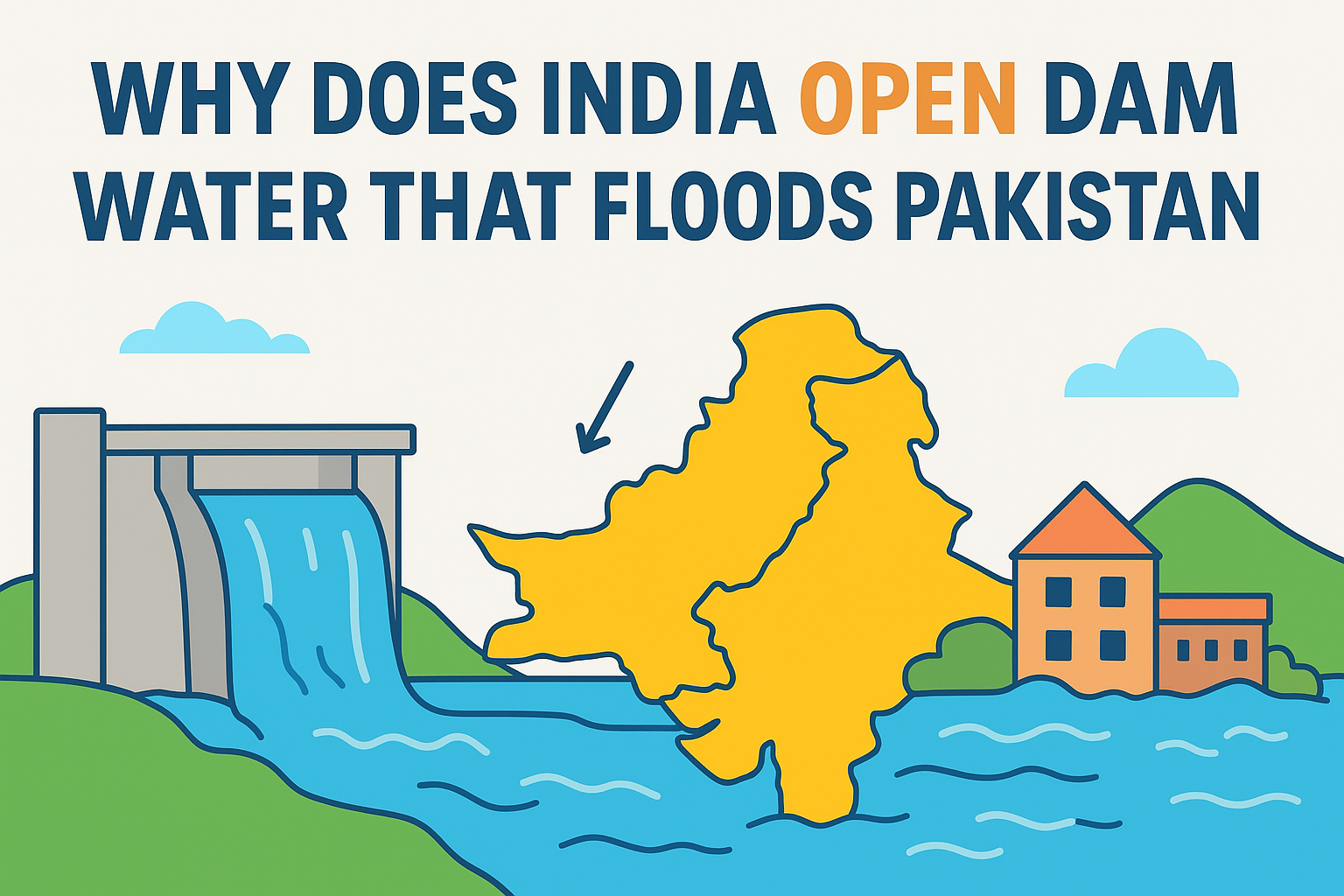
Why does india open dam water that floods pakistan
A detailed, neutral explanation of the reasons and context behind India’s release of dam water that can lead to flooding in Pakistan.
The Core Reason: Water Management and Monsoon Rains
The primary reason India releases water from its dams is reservoir management and safety, especially during the intense monsoon season. It is not typically an intentional act of aggression to cause flooding, though the downstream impact on Pakistan is often severe.
Here’s a breakdown of the key factors:
1. Inflow and Outflow Management: The Technical Necessity
Dams have a limited storage capacity. The monsoon season (July-September) brings massive, unpredictable inflows of water from heavy rainfall and snowmelt from the Himalayas.
-
Danger of Overtopping: If a reservoir becomes too full, the water can overtop the dam wall. This is extremely dangerous and can lead to a catastrophic structural failure of the dam itself, which would cause an uncontrolled, devastating flood downstream, including on the Indian side.
-
Controlled Release: To prevent this, dam operators must perform controlled releases of water. This is a standard global practice for dam safety. They release water gradually to make space for the incoming inflow. The alternative—an uncontrolled dam breach—is far worse.
2. The Indus Waters Treaty (IWT) Context
The water relationship is governed by the 1960 Indus Waters Treaty, brokered by the World Bank. This treaty allocates the use of the six rivers of the Indus system.
-
Eastern Rivers (Sutlej, Beas, Ravi): Allocated to India for unrestricted use.
-
Western Rivers (Indus, Jhelum, Chenab): Allocated to Pakistan, but India is permitted to use them for non-consumptive uses, which includes generating hydroelectric power and, crucially, managing flood flows.
India argues that releasing water to prevent a dam breach falls under its rights and responsibilities for flood management on its side of the border.
3. The Lack of Real-Time Data Sharing
A major point of contention is the timing and communication of water releases.
-
Pakistan’s Accusation: Pakistan often accuses India of releasing water suddenly and without prior warning, giving downstream communities in Pakistan no time to evacuate or prepare.
-
India’s Position: India states it does provide flood data as required by the treaty. However, the mechanisms for data sharing are often outdated and slow. There is no real-time, seamless coordination between the two countries’ water authorities, which exacerbates the problem during a fast-developing flood crisis.
4. The Infrastructure and Climate Change Factor
-
New Indian Dams: India has built several run-of-the-river hydroelectric projects on the Western Rivers (e.g., Baglihar Dam, Kishenganga Dam). While compliant with the IWT, these dams give India greater control over the flow of water. Pakistan fears this control can be used strategically.
-
Climate Change: The monsoon pattern is becoming more erratic and intense due to climate change. Sudden, massive cloudbursts and glacial lake outburst floods (GLOFs) are becoming more common, leading to unexpectedly high water inflows into Indian reservoirs, forcing sudden releases.
The Pakistani Perspective
From Pakistan’s viewpoint, these water releases are often seen as:
-
A form of water warfare: The belief that India uses its upstream position as strategic leverage to release water deliberately during times of political tension to flood Pakistani agricultural land and population centers.
-
A violation of the spirit of the treaty: That India should prioritize warning Pakistan and coordinating releases to minimize harm, even if the releases themselves are technically legal.
The Indian Perspective
From India’s standpoint, the releases are:
-
A matter of national security and safety: The primary obligation of dam operators is to protect Indian citizens and infrastructure from a catastrophic dam break. This necessity overrides other considerations.
-
Within legal rights: India maintains that managing floodwaters is its right and responsibility under the Indus Waters Treaty.
Conclusion
While the immediate cause of water release is technical dam safety during monsoons, the resulting flooding in Pakistan is intensified by:
-
Geopolitical Tension: A deep-seated lack of trust between the two nations.
-
Poor Communication: Outdated and inefficient data-sharing protocols.
-
Climate Change: Increasingly unpredictable and severe weather patterns.
The solution, often called for by experts, is greater technical cooperation and real-time data sharing, treating the river system as a shared resource requiring joint management, rather than a source of conflict. However, this remains challenging in the current political climate.