Team Neemopani
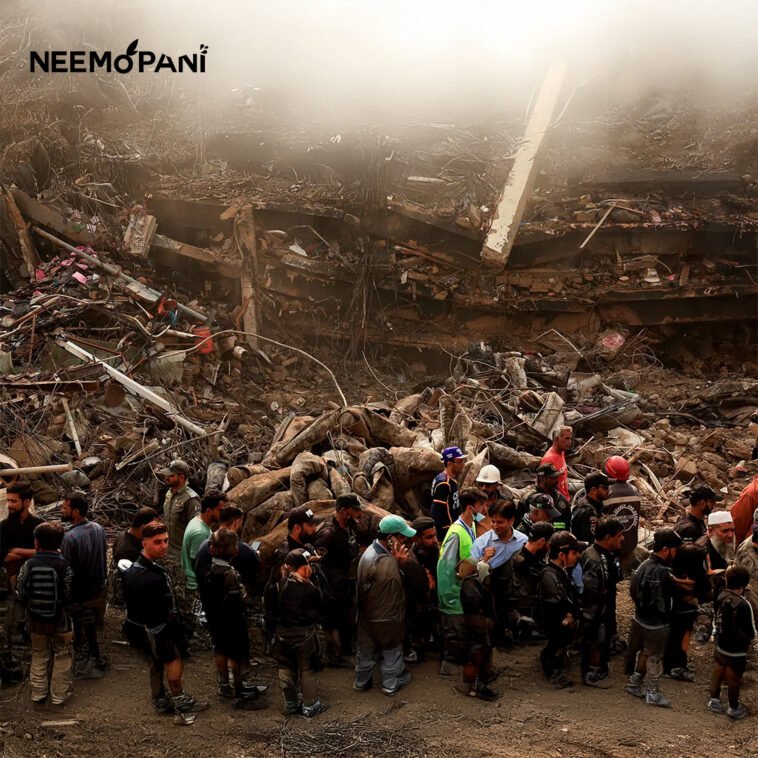
For years, gul plaza stood quietly in Saddar, blending into Karachi’s chaotic skyline. To an outsider, it was just another aging shopping center. To those who worked there, it was everything. The plaza housed hundreds of small traders whose lives revolved around daily sales, customer relationships, and survival in a competitive city. Each shop, no matter how small, carried stories of struggle, ambition, and hope.
The plaza was especially important for middle- and lower-income families. Many shopkeepers were first-generation entrepreneurs who had invested savings accumulated over decades. Others were tenants who depended entirely on daily earnings. In a city where job security is rare, gul plaza provided a sense of stability, even if it came with visible risks.
This is why the tragedy struck so deeply. The fire did not just damage a structure; it shattered a community that had grown within its walls.
Gul Plaza Karachi and the Normalization of Risk
Gul plaza Karachi reflected a broader urban problem: the quiet acceptance of unsafe conditions. Over time, additional floors, illegal extensions, and heavy electrical loads became normal. Narrow staircases doubled as storage areas. Emergency exits were blocked by boxes of goods. Safety drills were unheard of.
Traders knew the dangers but felt trapped. Speaking up risked closure or harassment. Upgrading safety systems was expensive, and enforcement was inconsistent. As long as business continued, risks were tolerated. This mindset was not limited to gul plaza; it exists across many commercial buildings in Karachi.
The tragedy revealed how dangerous this normalization of risk can be. When safety is optional and enforcement weak, disaster becomes a matter of “when,” not “if.”
Life Inside the Gul Plaza Shops
The gul plaza shops formed a tightly woven economic network. Wholesale dealers supplied retailers, retailers supported street vendors, and porters moved goods from dawn to dusk. A single shop often supported multiple families. Some employed young boys as helpers, paying them just enough to survive in the city.
Business ran on trust. Many transactions happened without written contracts. Credit was extended based on reputation. Over years, these relationships created a fragile but functioning system. When the fire erupted, that system collapsed instantly.
Inventory worth millions turned into ashes. Records of debts and payments were lost. Insurance coverage was rare or nonexistent. For many traders, starting overs was not just difficult, it was impossible. The gul plaza shops were not merely businesses; they were lifelines, and those lifelines were cut overnight.
The Fire That ignited Gul Plaza
The fire that consumed gul plaza spread with terrifying speed. Smoke filled corridors, trapping people inside. Poor ventilation and faulty wiring worsened the situation. Firefighters struggled to access upper floors due to blocked passages and the building’s layout.
The blaze took more than a day to control. By then, the human cost was severe. Dozens lost their lives, and many were reported missing. Families gathered outside, waiting for news that often never came. Survivors described scenes of panic, darkness, and desperation.
What made the tragedy even more painful was the belief that it was preventable. Reports pointed to the fact that there were ignoring safety warnings, outdated equipment, and lack of emergency planning. The fire did not expose new problems; it exposed old ones that had been ignored for years.
Economic and Social Impact Beyond the Flames
The impact of the gul plaza fire extended far beyond Saddar. Economically, losses were estimated in tens of billions of rupees. Suppliers lost buyers. Workers lost jobs. Entire supply chains were disrupted. For Karachi’s already fragile economy, the blow was significant.
Socially, the damage was even deeper. Families lost breadwinners. Children were forced out of school. Survivors struggled with trauma, guilt, and uncertainty. Many traders reported sleepless nights, haunted by memories of smoke and screams.
Public trust also suffered. If such a well-known commercial hub could operate without adequate safety, what about other markets? The tragedy raised uncomfortable questions about governance, corruption, and accountability that still demand answers.
Lessons Gul Plaza Leaves Behind
The story of gul plaza is a warning Karachi cannot afford to ignore. Buildings must be inspected regularly, and violations must have real consequences. Traders need affordable ways to meet safety standards, not penalties after disaster strikes. Most importantly, human life must be valued above short-term profit.
Remembering gul plaza should not be limited to anniversaries or headlines. It should inspire lasting reform. Fires, collapses, and tragedies will continue unless systemic change occurs. Safety is not a luxury; it is a basic right.
If Karachi learns from gul plaza, lives elsewhere may be saved. If it doesn’t, this tragedy will repeat itself under a different name, in a different building, with the same heartbreaking results.
For more news, contact Neemopani