Web Author
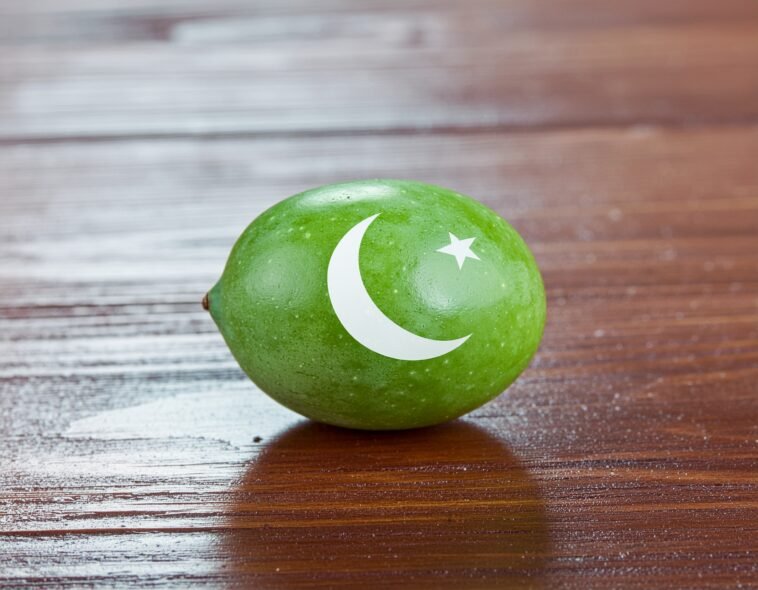
The Rise of Olive Farming in Pakistan: A “Green Gold” Revolution
Pakistan is not traditionally known for olives, but that is changing fast. Driven by government initiative and private enterprise, olive farming is becoming a viable and profitable venture, especially in Punjab and KP.
1. Ideal Growing Regions (The “Olive Belts”)
Olives thrive in specific climatic conditions: a hot, dry summer and a cool winter (with 200-300 hours of temperature below 7°C for flowering). Key regions include:
-
Pothwar Region (Punjab): The epicenter. Includes districts like Attock, Rawalpindi, Chakwal, and Jhelum. The climate and rainfall patterns are nearly perfect.
-
Khyber Pakhtunkhwa (KP): Districts like Swat, Mardan, Mansehra, and Kohat.
-
Balochistan: Certain areas in Zhob, Loralai, and Pishin.
-
Islamabad Capital Territory: Margalla Hills and surrounding areas.
2. Major Initiatives & Key Players
The growth is largely due to strategic projects:
-
Punjab Olive Cultivation Project: A flagship project by the Government of Punjab and the Italian government. They have provided millions of free olive saplings to farmers, established model farms, and set up processing units.
-
Barani Agricultural Research Institute (BARI), Chakwal: The leading research center providing technical know-how, certified plants, and training to farmers.
-
Private Sector: Companies like Sahawi Olive Farms and Olive Groves Pakistan are leading large-scale commercial cultivation and producing high-quality extra virgin olive oil.
3. Suitable Olive Varieties
Not all olive varieties work. The most successful ones in Pakistan are:
-
Arbequina: (From Spain) Early fruiting, high oil yield, and tolerates cold well.
-
Frantoio: (From Italy) Excellent oil quality, widely grown in Pothwar.
-
Coratina: (From Italy) High oil yield and robust.
-
Local Variety (Unknown): A wild, pre-existing variety found in the Pothwar region, showing great promise.
4. The Economic & Agricultural Benefits
-
Utilization of Barani Lands: Olives are perfectly suited for rain-fed (barani) areas where water is scarce, turning unproductive land into valuable asset.
-
High Value Crop: Olive oil is a high-value commodity. Local production reduces the $300+ millionspent on importing edible oils annually.
-
Drought Resistance: Once established, olive trees are highly drought-tolerant, making them ideal for Pakistan’s water-stressed environment.
-
Multi-Product Use: Olives can be processed for:
-
Extra Virgin Olive Oil (Highest grade)
-
Olive Oil
-
Table Olives (Pickled)
-
Cosmetics (Soaps, lotions)
-
Animal feed from by-products
-
5. Challenges for Farmers
-
Long Gestation Period: Trees take 3-4 years to start bearing fruit and 7-8 years to reach full production. This requires patience and initial investment.
-
Processing Facilities: Access to modern oil extraction mills (crushing units) is still limited, though growing.
-
Knowledge Gap: Many farmers are new to olive-specific pruning, pest management, and harvesting techniques.
-
Market Competition: Building a brand to compete with established imported Italian/Spanish oils is a challenge.
6. How to Start Olive Farming in Pakistan
-
Land Assessment: Ensure your soil is well-drained and slightly alkaline. The climate must have a cool winter.
-
Source Certified Plants: Get certified, disease-free saplings from BARI Chakwal or other government-approved nurseries. Do not use uncertified plants.
-
Planting: The ideal time is February-March. Spacing is typically 6m x 6m or 7m x 7m.
-
Irrigation: While drought-tolerant, young plants need regular watering for the first two years. Drip irrigation is highly recommended.
-
Training: Contact BARI or the Punjab Agriculture Department for training on pruning, fertilization, and harvesting.
7. The Future is Bright
Pakistan currently produces only a fraction of its domestic demand, meaning the market potential is enormous. With continued government support and private investment, Pakistan has the potential to become a significant player in the global olive market.