Team Neemopani
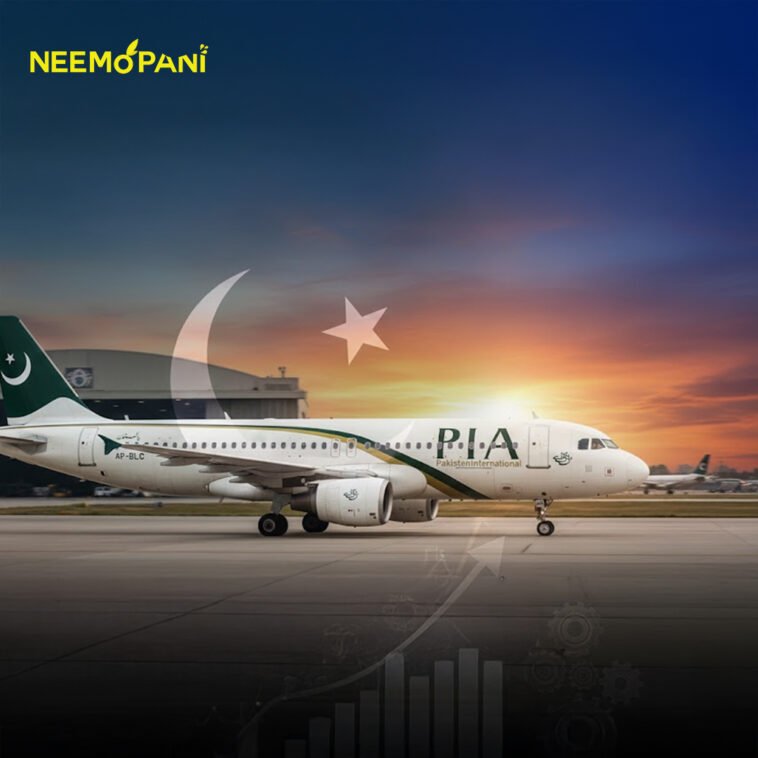
For decades, the mention of Pakistan International Airlines (PIA) has evoked a mix of nostalgia for its “golden age” and frustration over its modern-day struggles. However, December 2024 has marked a seismic shift in Pakistan’s economic landscape. After years of false starts and bureaucratic hurdles, the privatization of the national flag carrier has finally crossed the finish line, signaling a potential turning point for state-owned enterprises (SOEs).
A Landmark Deal: The Arif Habib Consortium Steps In
In a high-stakes, televised auction that captured the nation’s attention, a consortium led by the Arif Habib Group emerged as the successful bidder for a 75% stake in PIA. The winning offer of Rs135 billion (approximately $485 million) comfortably exceeded the government’s minimum threshold of Rs100 billion.
The consortium isn’t just bringing cash to the table; it represents a diverse coalition of local corporate power, including the City School network, Fatima Fertilizer, and Lake City Holdings. Interestingly, while Fauji Fertilizer Company (FFC) initially stepped back from the bidding, it remains a potential partner in the group, offering the kind of institutional stability that investors crave in volatile markets.
What Does the Future Hold for Travelers?
The transition isn’t just about balance sheets; it’s about the flying experience. The new management has laid out an ambitious roadmap to restore the airline’s tarnished reputation:
- Fleet Expansion: There are plans to nearly triple the current operational fleet, aiming at up to 65 aircraft within the next four years.
- Service Overhaul: With a commitment to invest Rs125 billion directly back into operations, passengers can expect revamped cabins, improved catering, and most importantly the restoration of long-lost international routes to Europe and the UK.
- Operational Control: The new owners are expected to take full command by April 2025, following a 90-day period for regulatory approvals and financial closing.
Costs and Concessions
While the government is celebrating the sale as a victory, the deal came at a significant cost to the national exchequer. To make PIA attractive to private buyers, the state had to perform a massive “cleaning” of the airline’s books.
Over Rs600 billion in legacy debt and liabilities were hived off into a separate holding company. This means that while the airline starts fresh, Pakistani taxpayers will continue to shoulder the burden of past mismanagement for years to come. Additionally, the new owners have been granted significant tax holidays and exemptions from General Sales Tax (GST) to ensure the business remains viable during its recovery phase.
A Test for Pakistan’s Economy
This privatization is more than just the sale of an airline; it is a crucial test case for the International Monetary Fund (IMF) program. The IMF has long pressured Islamabad to stop bleeding public funds into “white elephant” SOEs like PIA, Pakistan Steel Mills, and the power distribution companies (DISCOs).
The success of this transaction sends a powerful signal to global markets that Pakistan is serious about structural reforms. If the Arif Habib Group can successfully turn PIA around, it could pave the way for the privatization of other entities, such as GEPCO (Gujranwala Electric Power Company) and the Roosevelt Hotel in New York.
Conclusion
The sale of PIA represents a bittersweet moment for many. It marks the end of an era where the state was the sole guardian of the skies, but it also offers a glimmer of hope. By transferring control to the private sector, the government aims to transform a “menace” to the budget into a competitive, modern airline.
As we move toward April 2025, the eyes of the region and the IMF will be on the skies. If this venture succeeds, the “Great People to Fly With” slogan might finally ring true once again.
Visit Neemopani for more articles like this!