Web Author
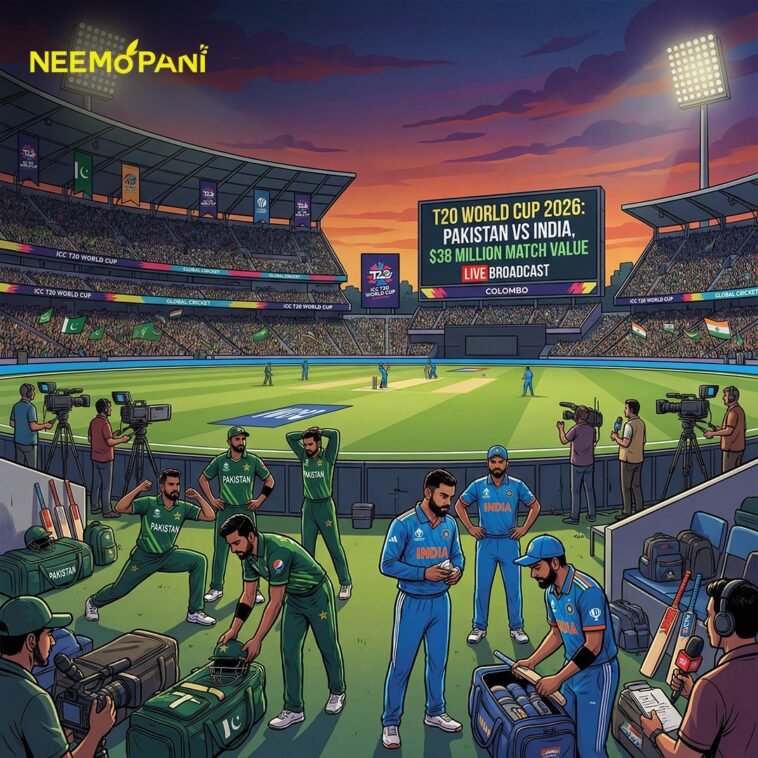
The possibility of Pakistan forfeiting its February 15, 2026 T20 World Cup match against India in Colombo has become one of the most talked-about issues in international cricket. The high-profile fixture, widely regarded as the most lucrative and watched match in world cricket, carries not only sporting significance but also massive financial, legal, and regulatory implications.
Reports suggest that if the Pakistan Cricket Board (PCB) chooses not to participate, the decision could lead to ICC sanctions, potential legal action from broadcasters, and long-term damage to Pakistan’s standing in global cricket.
PCB’s Position and the February 2 Deadline
According to multiple reports, PCB Chairman Mohsin Naqvi has indicated that a final decision regarding Pakistan’s participation in the ICC Men’s T20 World Cup 2026 will be announced by February 2. While speculation about a possible boycott gained traction, insiders have repeatedly suggested that a full withdrawal from the tournament or even a single match remains highly unlikely.
The PCB is currently weighing political, logistical, and commercial considerations, but legal experts emphasize that ICC tournament participation is governed by binding agreements that significantly limit unilateral decisions.
ICC Member Participation Agreement: Legal Obligations Explained
At the center of the issue is the ICC Member Participation Agreement, which legally binds all participating cricket boards to fulfill their scheduled fixtures in ICC events.
Under this agreement:
- Member boards cannot refuse to play scheduled matches without ICC approval
- A forfeit is treated as a breach of contractual obligations
- Violations may lead to disciplinary action, fines, or sanctions
For a marquee fixture like Pakistan vs India, the consequences could be even more severe due to the match’s commercial and global importance.
Potential ICC actions could include:
- Financial penalties imposed on the PCB
- Reduction in Pakistan’s share of ICC revenues
- Restrictions on future ICC event participation
- Loss of influence within ICC committees
Cricket governance experts note that the ICC prioritizes tournament integrity, and allowing a team to skip such a key fixture could set a dangerous precedent.
$38 Million Match: Why Broadcasters Are Watching Closely
Beyond regulatory consequences, the financial fallout of a forfeit could be substantial. Industry estimates suggest that the Pakistan–India clash alone is worth approximately $38 million in advertising and sponsorship revenue.
The match is a cornerstone of:
- Global broadcast schedules
- Sponsorship commitments
- Advertising sales targeting South Asian markets
If Pakistan were to forfeit the match:
- The host broadcaster could pursue legal action for breach of contract
- Advertisers may seek refunds or compensation
- Tournament broadcasters could face major revenue losses
Legal analysts point out that broadcasters enter long-term contracts based on guaranteed fixtures, especially high value matches like Pakistan vs India. Any disruption could result in multi-million-dollar claims against the PCB.
Why Pakistan vs India Is the Most Valuable Fixture in Cricket?
The Pakistan–India rivalry transcends sport. Matches between the two teams consistently:
- Break global viewership records
- Dominate television ratings
- Generate unparalleled digital engagement
In ICC tournaments, this fixture often subsidizes the financial success of the entire event. From ticket sales to streaming subscriptions, the match plays a critical role in ensuring the tournament’s commercial viability.
This is why experts believe the ICC, broadcasters, and sponsors would strongly oppose any move that jeopardizes the game.
Impact on Pakistan’s International Cricket Standing
Forfeiting a World Cup match could have long-term repercussions for Pakistan cricket beyond immediate penalties.
Possible consequences include:
- Strained relations with the ICC and member boards
- Reduced chances of hosting future ICC tournaments
- Diminished bargaining power in scheduling and venue decisions
- Reputational damage within the global cricketing community
Cricket analysts argue that Pakistan has worked hard in recent years to restore its image as a reliable international cricket nation. A high-profile withdrawal could undermine those efforts.
Tournament Boycott Considered “Unlikely”
Despite widespread discussion, multiple reports indicate that a tournament boycott or match forfeit is unlikely. Sources close to the PCB suggest that officials are fully aware of the legal and financial risks involved.
According to cricket insiders:
- The PCB is exploring all available options within ICC frameworks
- Legal advisors are actively involved in the decision-making process
- Participation remains the most practical and least damaging option
Historically, Pakistan has continued to participate in ICC events even amid political tensions, recognizing the broader implications of withdrawal.
Colombo Venue and Neutral-Ground Context
The match is scheduled to be played in Colombo, a neutral venue, which further complicates the argument for non-participation. Neutral venues are often used by the ICC to manage geopolitical sensitivities while ensuring tournament continuity.
From a regulatory standpoint, playing at a neutral venue significantly weakens the case for forfeiting the match under ICC rules.
What Happens Next?
With the February 2 deadline approaching, all eyes are on the PCB’s official announcement. While public debate continues, most experts believe Pakistan will:
- Honor its ICC commitments
- Participate in the Pakistan vs India match
- Avoid legal disputes and financial losses
The decision will not only shape Pakistan’s T20 World Cup campaign but also influence its long-term relationship with international cricket authorities.
For more Khatti Meethi news, follow Neemopani.