Team Neemopani
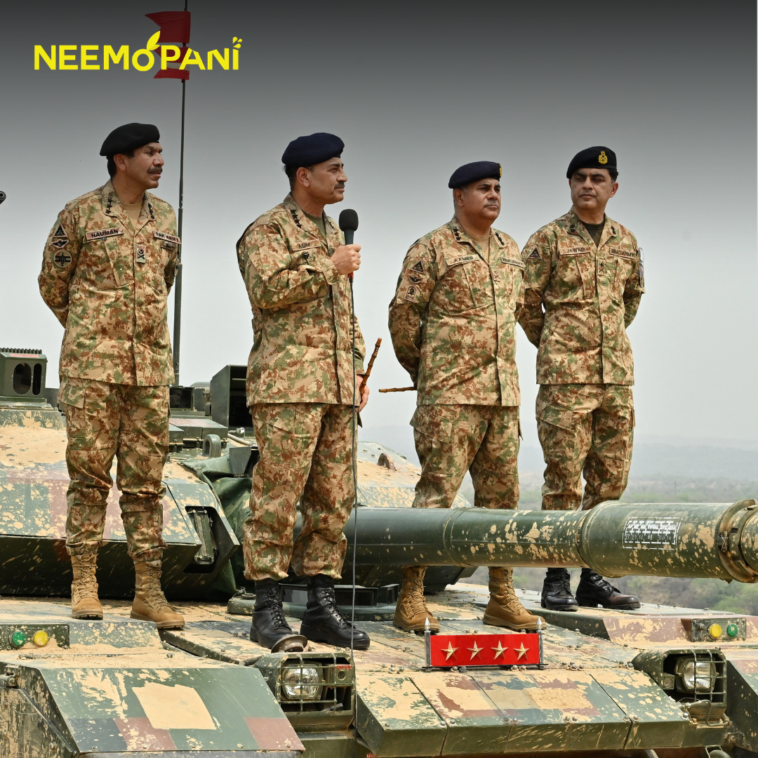
The Pakistan–Afghanistan conflict 2025–2026 has escalated into one of the most serious regional security crises in South Asia in recent years. What began as cross-border counterterrorism operations has evolved into retaliatory military offensives, diplomatic breakdowns, and explicit warnings of “open war” from senior officials in Islamabad.
With airstrikes, Durand Line clashes, and stalled peace talks, tensions between the two neighboring states have reached a critical juncture. Here’s what triggered the escalation, what both sides claim, and what the conflict means for regional stability.
Why Did the Pakistan–Afghanistan Conflict Escalate in 2025?
The immediate trigger for the escalation came in October 2025, when Pakistan launched airstrikes inside eastern Afghanistan targeting alleged hideouts of the Tehreek-e-Taliban Pakistan (TTP). Islamabad stated the strikes were intelligence-based counterterror operations following deadly attacks inside Pakistan.
Pakistani officials argued that Afghan territory was being used as a safe haven for militant groups conducting cross-border terrorism.
However, the Afghan government condemned the airstrikes as violations of sovereignty. Kabul accused Pakistan of breaching international norms and targeting areas that resulted in civilian casualties.
This marked the beginning of intensified retaliatory actions along the border.
Pakistan Airstrikes in Afghanistan: Islamabad’s Justification
Pakistan maintains that its military operations were necessary to neutralize militant threats.
Key points from Pakistan’s position:
- TTP fighters are allegedly operating from Afghan soil.
- Cross-border attacks inside Pakistan have increased.
- Diplomatic engagement failed to stop militant activity.
- Airstrikes targeted “terrorist infrastructure,” not civilians.
Prime Minister Shehbaz Sharif warned that Pakistan’s armed forces were prepared to counter any aggression. Meanwhile, Defence Minister Khawaja Muhammad Asif cautioned that failure of peace talks could drag both countries into “open war.”
Islamabad’s central demand remains consistent: Kabul must prevent Afghan territory from being used against Pakistan.
Afghanistan’s Retaliation: Offensive Operations Along the Durand Line
In response, Afghan authorities announced “large-scale offensive operations” along the Durand Line, the 2,600-kilometer border separating the two countries.
Afghan officials accused Pakistan of:
- Conducting repeated cross-border violations
- Killing civilians in air raids
- Undermining Afghanistan’s sovereignty
Border skirmishes intensified, with both sides reporting military and civilian casualties. The Durand Line, historically disputed, once again became the flashpoint of military confrontation.
Are Pakistan and Afghanistan at War in 2026?
While no formal declaration of war has been issued, the level of military engagement raises serious concerns.
Indicators of escalation include:
- Cross-border air and artillery strikes
- Political rhetoric warning of open conflict
- Breakdown of ceasefire efforts
- Civilian displacement in border areas
Although diplomatic channels remain open, they are fragile and intermittent.
The Durand Line Dispute: Why It Matters
The Durand Line has long been a sensitive geopolitical issue. Afghanistan historically disputes the legitimacy of the border, while Pakistan considers it internationally recognized.
The current conflict has revived:
- Border fencing controversies
- Military checkpoint tensions
- Sovereignty disputes
The border’s instability adds a strategic dimension to the Pakistan–Afghanistan conflict beyond counterterrorism concerns.
The Human Cost: Civilians Caught in the Crossfire
One of the most alarming aspects of the escalation is its humanitarian impact.
Reports indicate:
- Civilian casualties in Afghan villages
- Property destruction along border communities
- Increased displacement of families
- Heightened insecurity in tribal areas
Both governments deny deliberately targeting civilians, but the toll has intensified calls for restraint from regional observers.
Regional Fallout: Security Risks Beyond Pakistan and Afghanistan
The Pakistan–Afghanistan conflict 2025–2026 carries broader regional implications.
Security analysts warn of:
- Militant groups exploiting instability
- Increased activity from ISKP (Islamic State Khorasan Province)
- Strategic recalibrations by neighboring states
- Heightened tensions affecting regional alliances
South Asia’s fragile security balance could be further destabilized if escalation continues.
Peace Talks and Diplomatic Efforts: Can Escalation Be Prevented?
Multiple rounds of dialogue in Turkey, Qatar, and Saudi Arabia attempted to restore calm. However, negotiations have repeatedly stalled over:
- Pakistan’s demand to eliminate TTP safe havens
- Afghanistan’s rejection of external interference
- Mutual distrust over intelligence claims
Without compromise on core security grievances, a durable ceasefire remains uncertain.
Frequently Asked Questions (FAQ)
Why did Pakistan conduct airstrikes in Afghanistan in 2025?
Pakistan claims it targeted TTP militant hideouts responsible for attacks inside Pakistan.
What is the Durand Line?
The Durand Line is the 2,600-kilometer border between Pakistan and Afghanistan, historically disputed by Kabul but recognized by Pakistan.
Has the Pakistan–Afghanistan conflict turned into open war?
Not officially. However, military operations and political warnings suggest the risk of broader conflict remains significant.
What militant groups are involved?
The main group cited by Pakistan is the Tehreek-e-Taliban Pakistan (TTP), while regional instability may benefit ISKP.
Conclusion: Escalation or Diplomatic Breakthrough?
The Pakistan–Afghanistan conflict 2025–2026 has entered a dangerous phase marked by airstrikes, retaliatory offensives, and explicit warnings of open war.
While diplomatic engagement continues intermittently, lasting peace will depend on resolving the central issue: cross-border militancy and mutual security assurances.
Unless both sides rebuild trust and strengthen coordinated counterterror mechanisms, the risk of deeper military confrontation remains high.
For more Khatti Meethi news, follow Neemopani.