Team Neemopani
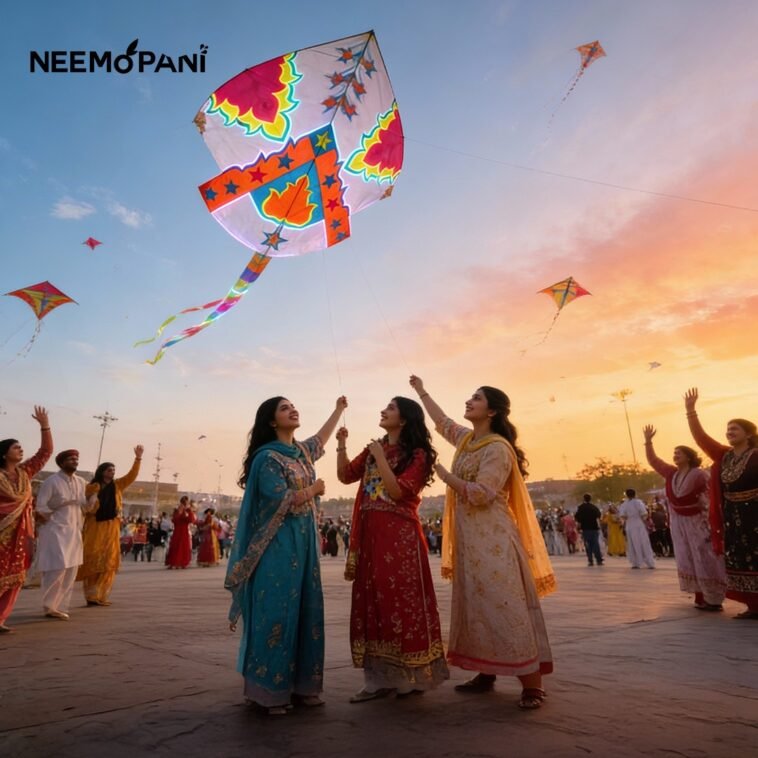
Basant, one of Pakistan’s most cherished cultural festivals, is set to make a long-awaited return to Lahore after nearly two decades. Known for its vibrant kite flying, traditional food stalls, and colorful celebrations, Basant has historically symbolized joy, renewal, and the arrival of spring in Punjab.
This time, however, the festival’s revival comes with a renewed commitment to safety. Authorities aim to ensure that the celebrations proceed without the tragic incidents that led to Basant’s suspension in the past.
This article explores the excitement surrounding Basant’s return and outlines the measures announced by the Punjab government to make the 2026 festival both enjoyable and secure.
The History and Significance of Basant in Pakistan
Basant has been woven into Lahore’s cultural fabric for centuries. Traditionally marking the arrival of spring, the festival transforms the city’s skyline into a sea of colorful kites. People from all walks of life take part, making it one of the most inclusive cultural events in the region.
Over time, however, the celebrations became controversial. The increasing use of hazardous kite strings, including metal and nylon-coated materials, led to numerous injuries and fatalities, particularly among motorcyclists. These safety concerns ultimately resulted in a ban on the festival.
After a hiatus of nearly two decades, the Punjab government has announced that Basant will once again be celebrated in Lahore from February 6 to 8, 2026, with strict controls in place to prevent past mistakes from recurring.
Safety Measures and Regulations
Officials have emphasized that Basant 2026 will be a regulated and city-restricted event, limited to Lahore’s municipal boundaries. Chief Minister Maryam Nawaz, while addressing preparations for the festival, stated that Basant should reflect both cultural revival and public responsibility, stressing that public safety remains the government’s top priority.
- Strict Kite Flying Regulations
One of the most critical safety concerns in previous Basant celebrations was the use of dangerous kite strings. To address this, only traditional cotton strings containing no more than nine threads will be allowed. The use of metal-reinforced or nylon strings has been strictly prohibited.
Violators may face heavy penalties, including fines of up to Rs. 5 million and possible imprisonment. Additionally, kites larger than 35 inches will not be permitted.
To regulate production and sales, the government has introduced a geo-tagging system for kite manufacturers and traders. More than 2,000 vendors have already been registered under this system.
- Safety Rods for Motorcyclists
Motorcyclists were among the most vulnerable groups during past Basant festivities. To reduce the risk of injury, the government will distribute over one million safety rods free of charge to bikers across Lahore.
The use of these rods will be mandatory in designated high-risk areas during the festival. Authorities have warned that failure to comply may result in fines.
- Controlled Zones and Security Deployment
For better management, Lahore has been divided into high-risk, medium-risk, and low-risk zones. Kite flying will only be allowed in designated areas to minimize hazards.
More than 4,000 police personnel will be deployed throughout the city to maintain order. They will be supported by teams from the Suthra Punjab initiative, which will focus on cleanliness and public safety during the three-day event.
- Public Transport and Accessibility
To discourage the use of motorcycles and reduce traffic-related risks, the Punjab government has announced free public transportation during the festival.
The transport plan includes:
Over 500 buses
6,000 Yango rickshaws
60,000 Yango rides
Additionally, Lahore’s metro bus system and electric buses will operate free of charge, allowing residents to move around the city safely and conveniently.
Medical Support and Emergency Services
Hospitals and emergency services across Lahore will remain on high alert throughout Basant. Alongside existing medical facilities, mobile clinics and field hospitals will be deployed at key locations to ensure quick medical assistance.
Control rooms at the Safe City Headquarters and the Commissioner’s Office will monitor the event in real time, enabling rapid responses to any emergencies.
A Community Effort to Make Basant Safe
Authorities have stressed that the success of Basant 2026 depends on public cooperation. Citizens are encouraged to follow safety guidelines, avoid spreading misinformation, and report violations. Individuals who report rule-breaking activities may be eligible for rewards.
Addressing the public, Chief Minister Maryam Nawaz reminded citizens that Basant is not only a celebration but also a shared responsibility, noting that public awareness and cooperation are essential to protecting lives.
Conclusion
Basant’s return to Lahore represents more than the revival of a beloved tradition. It reflects a collective effort to preserve cultural heritage while prioritizing public safety. With extensive planning, strict regulations, and community involvement, Basant 2026 aims to offer a secure and vibrant celebration for families, residents, and visitors alike.
For those who have long awaited the festival’s return, this year’s Basant promises a colorful welcome to spring filled with joy, tradition, and renewed responsibility.
For more khatti-meethi news, stay connected with Neemopani.