Web Author
The Cost of Free: is Priceless
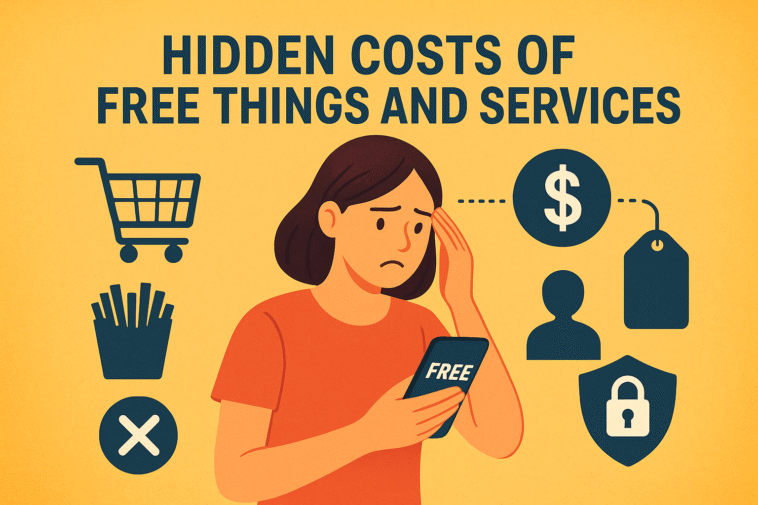
“Free” services are a business model, not a charity. Their revenue must come from somewhere else, and that “somewhere else” is usually you, your data, your attention, or a combination of all three.
1. The Cost of Your Personal Data (The Most Common Currency)
This is the price you pay for social media, “free” email, search engines, and many apps.
-
What You Give Up: Your identity, preferences, relationships, location history, search history, and even private messages are collected, aggregated, and analyzed.
-
The Hidden Cost:
-
Loss of Privacy: Your personal life becomes a data point in a massive profile.
-
Manipulation: This data is used to manipulate your behavior, most obviously through hyper-targeted advertising. Advertisers pay the platform to get your attention.
-
Security Risk: Data breaches are common. The more data a company collects, the bigger the target it becomes. Your personal information can end up for sale on the dark web.
-
Profiling and Discrimination: Your data profile can be used to deny you services (like loans or insurance) or manipulate prices (dynamic pricing).
-
Example: Facebook and Google are free because their multi-billion dollar business is selling ad space targeted with your precise personal data.
2. The Cost of Your Attention and Time
This is the model for “free-to-play” games, many news sites, and media platforms.
-
What You Give Up: Your uninterrupted focus and time.
-
The Hidden Cost:
-
Ads and Trackers: You are forced to watch ads or have your activity tracked to fuel ad networks. This interrupts your experience and slows down websites.
-
Addictive Design: These services are often deliberately designed to be addictive to maximize the time you spend on them (endless scrolling, notifications, variable rewards). This can lead to lost productivity, anxiety, and sleep deprivation.
-
Clickbait and Misinformation: Content is optimized for “engagement” (clicks, shares, outrage) rather than truth or value, polluting the information ecosystem.
-
Example: Candy Crush is free, but its design pushes you toward paying to avoid waiting or to advance. Free news sites are cluttered with ads and may promote sensationalist headlines for clicks.
3. The “Freemium” Upsell Cost
This model gives you a basic service for free but charges for advanced features, power, or removal of limitations.
-
What You Give Up: A good user experience and full functionality.
-
The Hidden Cost:
-
Artificial Limitations: The free version is often intentionally frustrating (e.g., slow speeds, limited storage, watermarks, constant upgrade prompts) to push you toward paying.
-
Psychological Pressure: The design creates a sense of inadequacy or FOMO (Fear Of Missing Out) on the “premium” experience.
-
Example: Spotify Free has ads and doesn’t allow offline downloads. Dropbox gives you a small amount of storage, knowing you’ll likely need to pay for more.
4. The Cost of Lock-in and Ecosystem Traps
Some free products are designed to lock you into a specific ecosystem, making it very difficult to leave later.
-
What You Give Up: Your future choice and flexibility.
-
The Hidden Cost:
-
High Switching Costs: Once all your photos are in iCloud, your documents are in Google Drive, and your messages are on iMessage or WhatsApp, migrating to a new service becomes a massive, often impractical, hassle.
-
Future Payments: You may be forced to buy compatible hardware (e.g., Apple devices) or paid services later because you’re so invested in the ecosystem.
-
Example: Apple offers free iMessage and FaceTime, but they only work seamlessly with other Apple devices, creating a powerful incentive to stay within the Apple ecosystem.
5. The Cost of Your Social Capital
Some services ask you to pay by promoting them to your friends and network.
-
What You Give Up: Your credibility and your friends’ attention.
-
The Hidden Cost:
-
Spamming Your Contacts: You become an unpaid advertiser, potentially annoying your friends and damaging your reputation.
-
Exploiting Relationships: The service monetizes the trust within your personal network.
-
Example: Many referral programs: “Get a free month for you and a friend!” or “Unlock this feature by share this post on Facebook!”
How to Protect Yourself
-
Read the Terms of Service & Privacy Policies: Know what you’re agreeing to.
-
Adjust Privacy Settings: aggressively. Turn off ad personalization and location tracking where possible.
-
Use Alternatives: Consider paid, privacy-focused alternatives for critical services (e.g., ProtonMail for email, DuckDuckGo for search).
-
Ask “Why is this free?”: Before signing up, always ask this question. Understand the business model.
-
Value Your Time and Attention: Be mindful of how much time you’re giving to “free” services. Your attention is valuable.
Final Thought: “Free” is a powerful illusion. The transaction always happens; it’s just less obvious than handing over cash. By understanding the hidden costs, you can make more informed choices about what you’re truly willing to pay.